
It takes a Team: The Evolution of An Interprofessional Student-Led Clinic
Presentation Date: October 15 2026, at 10 am PT/1 pm ET
Registration link: https://us02web.zoom.us/meeting/register/o7Etq1VMSsyxNA8kz0h8wg
Session Description:
In 2003, the University of Manitoba’s Department of Physical Therapy launched an annual “Neuro Rehab Clinic (NRC)” to address a specific gap: a shortage of neurology-related clinical placements. Fast forward over 20 years: this single profession clinic has transformed into an interprofessional experiential learning environment that gives students authentic hands-on opportunities to collaborate with other health profession students while providing care.
The renamed “Student-Led Interprofessional Clinic (SLIC)” has expanded to bring together students from physical therapy, occupational therapy, respiratory therapy, pharmacy, and nursing. Feedback from students, clients, and preceptors has been overwhelmingly positive. Feedback received has been integrated to continuously make changes to improve student learning (but not without some speedbumps along the way).
This presentation will give an overview of the clinic’s continued evolution, sharing the practical lessons learned about what worked (and didn’t) to transform a clinic from a group of students into genuine interprofessional learning teams. We’ll cover how SLIC built experiences that benefit everyone involved: students gaining collaborative skills, clients receiving more holistic care, and programs meeting targets for clinical experiences for their learners.
Speaker Biographies:
Sarah Conci
 Sarah Conci is an instructor in the Department of Physical Therapy within the College of Rehabilitation Sciences at the University of Manitoba. She has been a physical therapy clinical instructor at the Student-Led Interprofessional Clinic (SLIC) since 2018 and served as the SLIC Coordinator from 2018 to 2026. She is often affectionately called the SLIC “mastermind”. Sarah is also a practicing physical therapist with extensive experience in acute care and neurological rehabilitation environments. She is passionate about interprofessional collaboration and believes that when health professionals work together, they not only create a more enjoyable and rewarding learning and working environment but can also draw on their collective expertise to provide better care and help clients achieve meaningful health outcomes.
Lisa Mendez
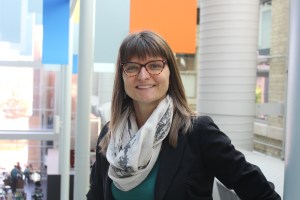 Lisa Mendez is an instructor in the Department of Occupational Therapy within the College of Rehabilitation Sciences at the University of Manitoba and is the Collaborative Healthcare Practice Lead for the Office of Interprofessional Collaboration (OIPC). While her primary role within the OIPC has been to develop interprofessional community engaged learning opportunities within Indigenous communities, she was a preceptor for the OT students at SLIC in 2023 and 2024 and has been supporting the clinic’s growth and development. She is often affectionately called the SLIC “schemer”.
Simulation Under Constraints: What We Can (and Cannot) Replace in Interprofessional Education
Presentation Date: November 12, 2026, at 9 am PT/ 12 pm ET
Registration link: https://us02web.zoom.us/meeting/register/TtcTBmPxRES5tREz0xa4sA
Session Description:
Simulation is widely recognized as a gold standard for teaching and assessing interprofessional education (IPE) competencies, yet it requires substantial logistical, financial, and faculty resources. When budget constraints made the continued use of a simulation center and standardized patients for “IPEA 502: Partnership in Interprofessional Teams” unsustainable, the McGill IPE team had to rethink its approach. In collaboration with the Office of Education Technology and E-Learning Collaboration for Health (Ed-TECH), we redesigned the course by adapting an existing simulation case into scripted, video-recorded scenarios featuring an actor with cerebral palsy. These videos were integrated into an in-person learning activity where students engaged in structured cycles of planning, observation, and debriefing, facilitated by trained clinicians and faculty members. Rather than simply offering a replacement for simulation, this talk will explore what elements of interprofessional learning remain essential when ideal simulation conditions are no longer feasible.
Speakers:
 Joana Alvarenga, PT, MSc. candidate
Joana Alvarenga is the Course Director for Partnership in Interprofessional Teams within the Interprofessional Education Team in the Faculty of Medicine and Health Sciences at McGill University. She also serves as a Faculty Lecturer and clinical supervisor in the School of Physical and Occupational Therapy, in addition to her role as project manager with the McGill Dementia Education Program. A physical therapist with many years of experience, including 5 years of practice in Brazil, she has been working at the Jewish General Hospital for the past 17 years. She brings extensive clinical experience grounded in teamwork, collaboration, and person-centred care. She is currently pursuing a Master’s degree in Rehabilitation Sciences and has a strong interest in interprofessional education and creating inclusive health environments.
 Lauren Tittley, M.HSc., SLP (C)
Lauren Tittley is an Assistant Professor (Professional) and Coordinator of Clinical Education in the School of Communication Sciences and Disorders (SCSD) and a member of the executive committee of the Interprofessional Education Team in the Faculty of Medicine and Health Sciences at McGill University. As a speech-language pathologist, she has seen the value of true interprofessional teamwork firsthand and is passionate about educating future health professionals to practice in a more collaborative and effective manner.
For notice of future presentations, become a CIHC member today.
